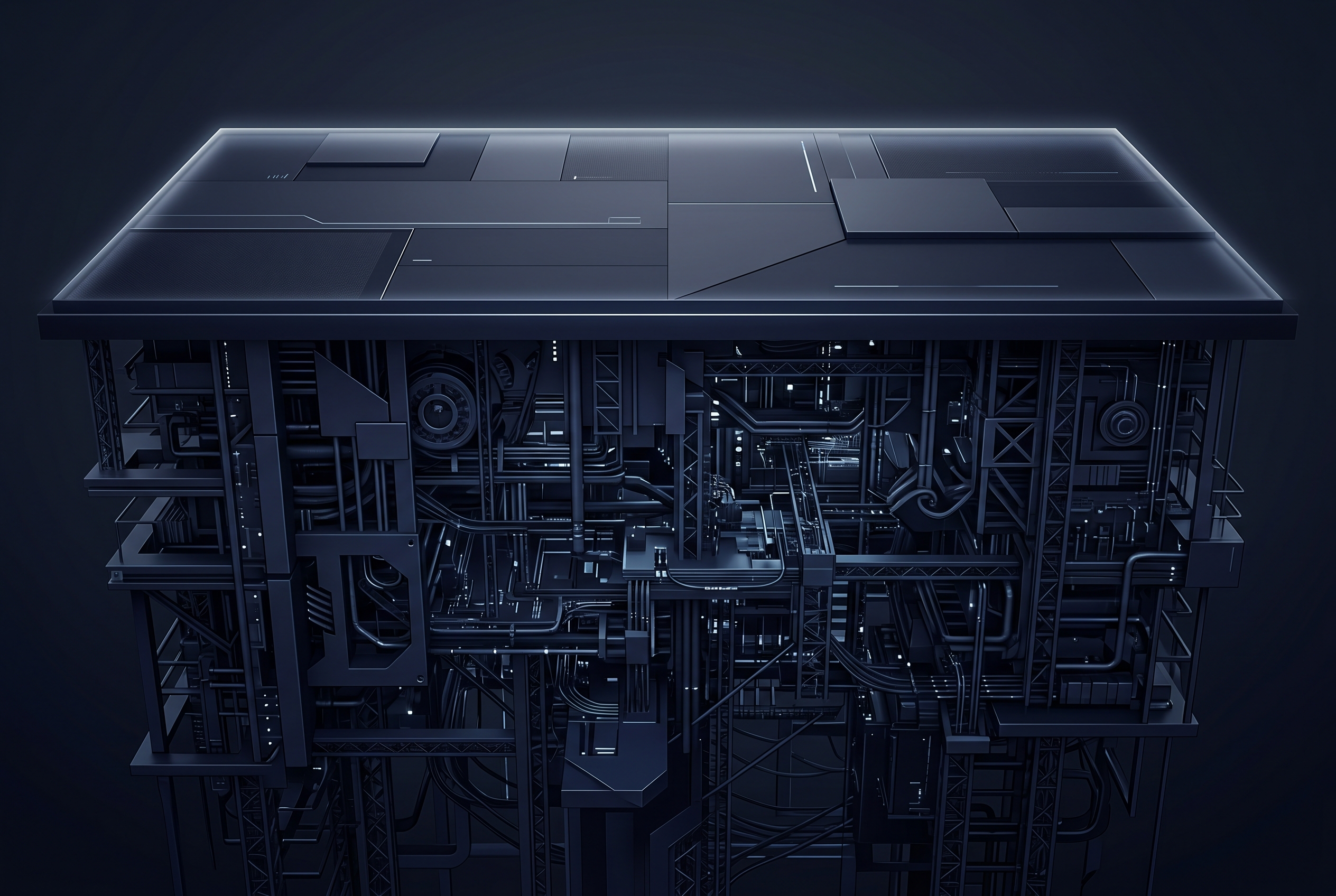
The system behind the system
Most people who talk about compound do not mean what I mean by it.
They mean consistency. Show up every day, do the work, wait for results. That is necessary but it is not sufficient. Consistency without architecture is just effort. It accumulates fatigue faster than it accumulates advantage.
What I mean by compound is something more structural. It is when the systems you built in one context start producing value in another context without any additional effort. When the thinking you did to solve one problem automatically informs the next. When the content you created for one platform becomes the raw material for three others. When the notes from a morning walk on Frøya are already indexed, tagged, and available to pull into a client brief three months later without you having to remember any of it.
That is compound. Not just persistence. Infrastructure.
I have been building this deliberately across all three of what I call the pillars: IPRESTANDA, the Lion Ethos, and TLE Fitness Lab. On the surface they look like separate projects. A technology consultancy for Norwegian SMEs. A performance framework. A fitness operation. But they are not separate. They are three expressions of the same operating system, and the system behind them is designed so that effort in one feeds the others.
An observation about physical recovery becomes a post about decision quality, which becomes a case study for a client conversation about operational resilience, which becomes a chapter in a framework that serves founders, which generates inbound for TLE Fitness Lab. The chain is not accidental. It is designed.
The same applies to content. A sharp observation posted on X at 07:00 should not be disposable. It is reconnaissance. If it holds weight, it earns expansion. The expanded version becomes a YouTube Community post, then a long-form note here, then a podcast segment, then a reference in a client brief. The note does not get rewritten each time. It gets expressed at the right depth for the right surface.
This is what I call the system behind the system. The work that most people do not see. Not the output. The infrastructure that makes the output compound rather than just accumulate.
Most businesses in Trøndelag that I talk to have the reverse problem. They produce output without infrastructure. Reports that do not feed into anything. Meetings whose insights evaporate. Processes that get rebuilt from scratch every time a new project starts. They are working hard with very little compounding because the inputs do not connect.
AI does not fix this by itself. What AI does is lower the cost of building the connections. A voice note that would previously have required transcription, editing, tagging, and filing can now be processed in seconds and routed into the right context automatically. The infrastructure that previously required significant human effort can now be built and maintained at a fraction of the cost.
But the design still has to come from somewhere. You still have to know what connects to what and why. You still have to decide that the capture from this morning's walk in Frøya is relevant to the content calendar three weeks from now. The human element is not replaced. The friction around it is.
What I am building is a demonstration of that principle in practice. Not at scale for scale's sake. At the level where the infrastructure is genuinely doing work that would otherwise require conscious effort every time. So the output feels effortless not because it is easy but because the system has absorbed the effort.
Compound is patient. The question is whether you are willing to build infrastructure before you need it.
Murphy Alex builds operational AI systems for Norwegian SMEs from Frøya, Trøndelag. IPRESTANDA is at iprestanda.com.